
Medals across ice and snow for military athletes at the Olympics 2026

MILAN / CORTINA D’AMPEZZO (ITA) — Two days, multiple venues and a succession of decisive moments placed military athletes at the heart of the Olympic spotlight on 10 and 11 February at the Milano Cortina 2026 Winter Olympic Games. From the silence of the shooting range in Anterselva to the thunder of blades in Milan and the icy speed of the luge track, athletes in uniform delivered performances that defined the rhythm of competition.

The sequence began in the high altitude arena of Anterselva. In the demanding 20 km individual, often described as biathlon’s purest discipline, every error costs sixty seconds and every breath matters. French sergeant Éric Perrot built his race patiently, controlling his pace and maintaining composure on the shooting mat to secure the silver medal. It was a performance shaped by discipline rather than risk, rewarding precision over aggression.
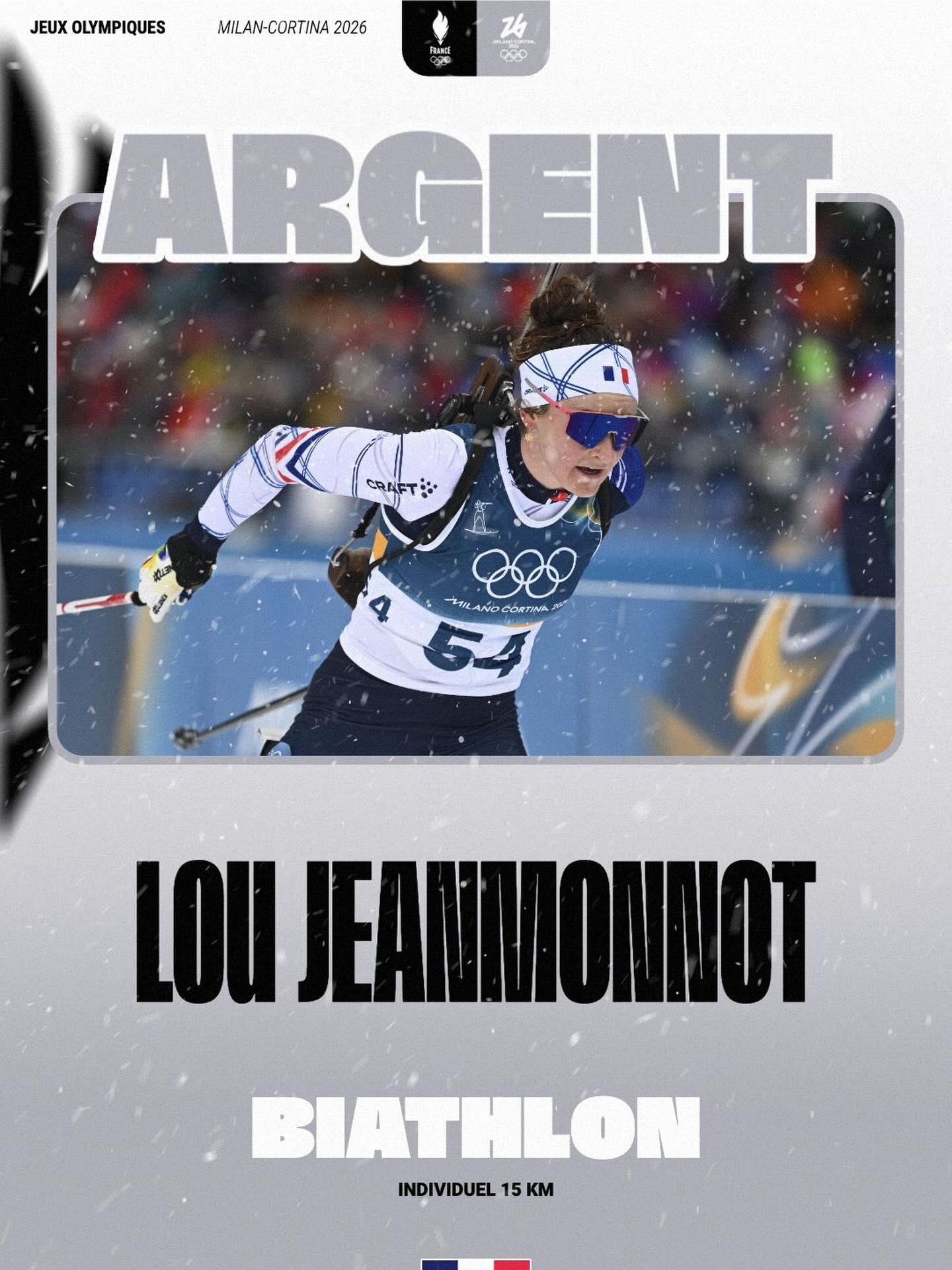
Twenty-four hours later, the same stadium witnessed another French podium. Lou Jeanmonnot reproduced the same calm efficiency in the women’s 15 km individual. In a race where others cracked under pressure, she maintained her rhythm and shooting accuracy to claim silver, confirming the strength of the French military biathlon tradition.
France added a third medal on 11 February through Perrine Laffont in the moguls. Known for her technical consistency, she delivered two controlled runs to earn bronze, once again proving her reliability in the most unpredictable freestyle format. Her performance was built on balance and execution rather than spectacular risk, exactly what the course demanded.
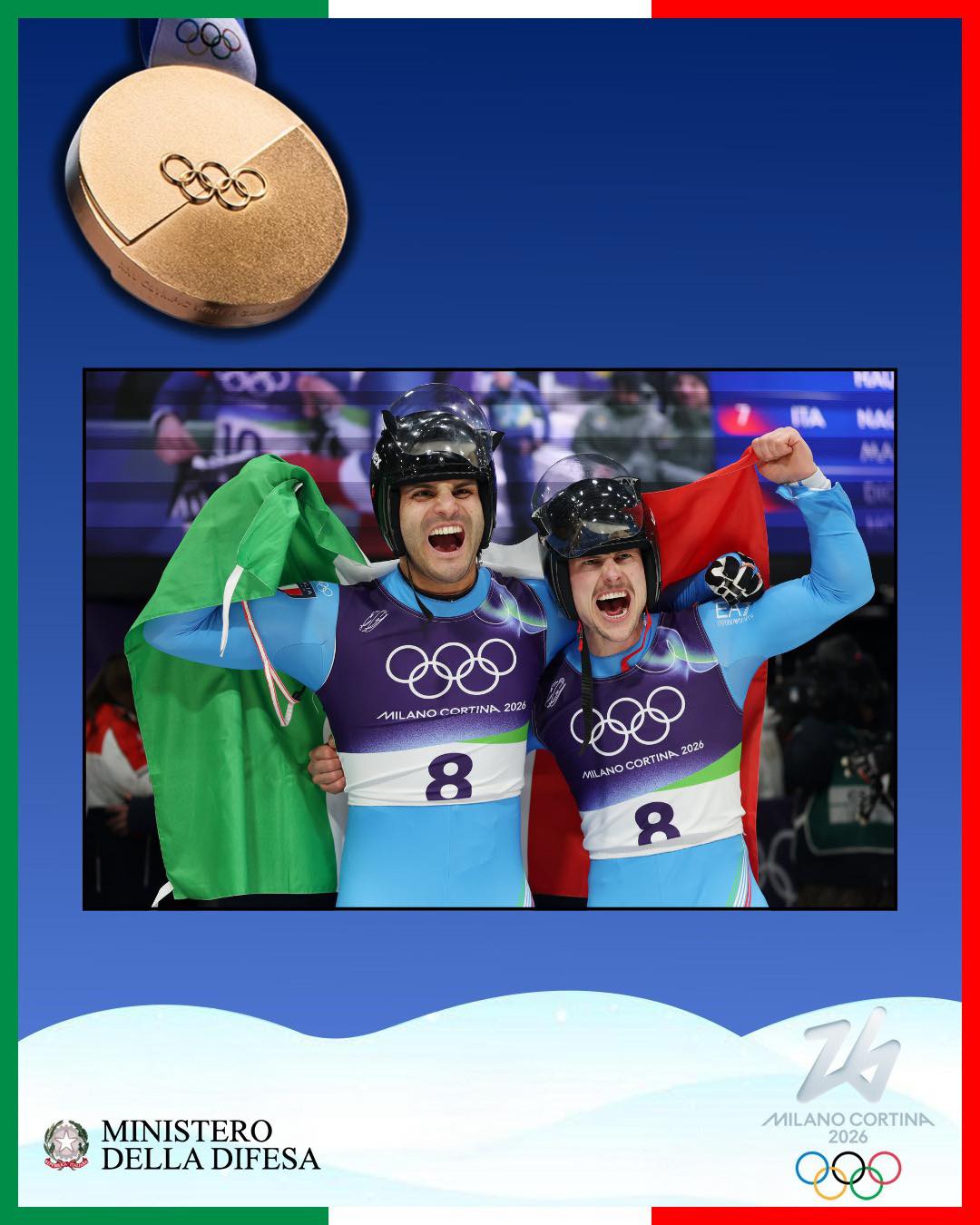
Meanwhile, the sliding track produced one of the defining images of the Games so far. Marion Oberhofer and Andrea Vötter dominated the women’s doubles luge, their synchronized lines leaving no margin for rivals and earning Olympic gold for Italy. Precision, timing and absolute trust, qualities essential in both luge and military teamwork, defined their run from start to finish.
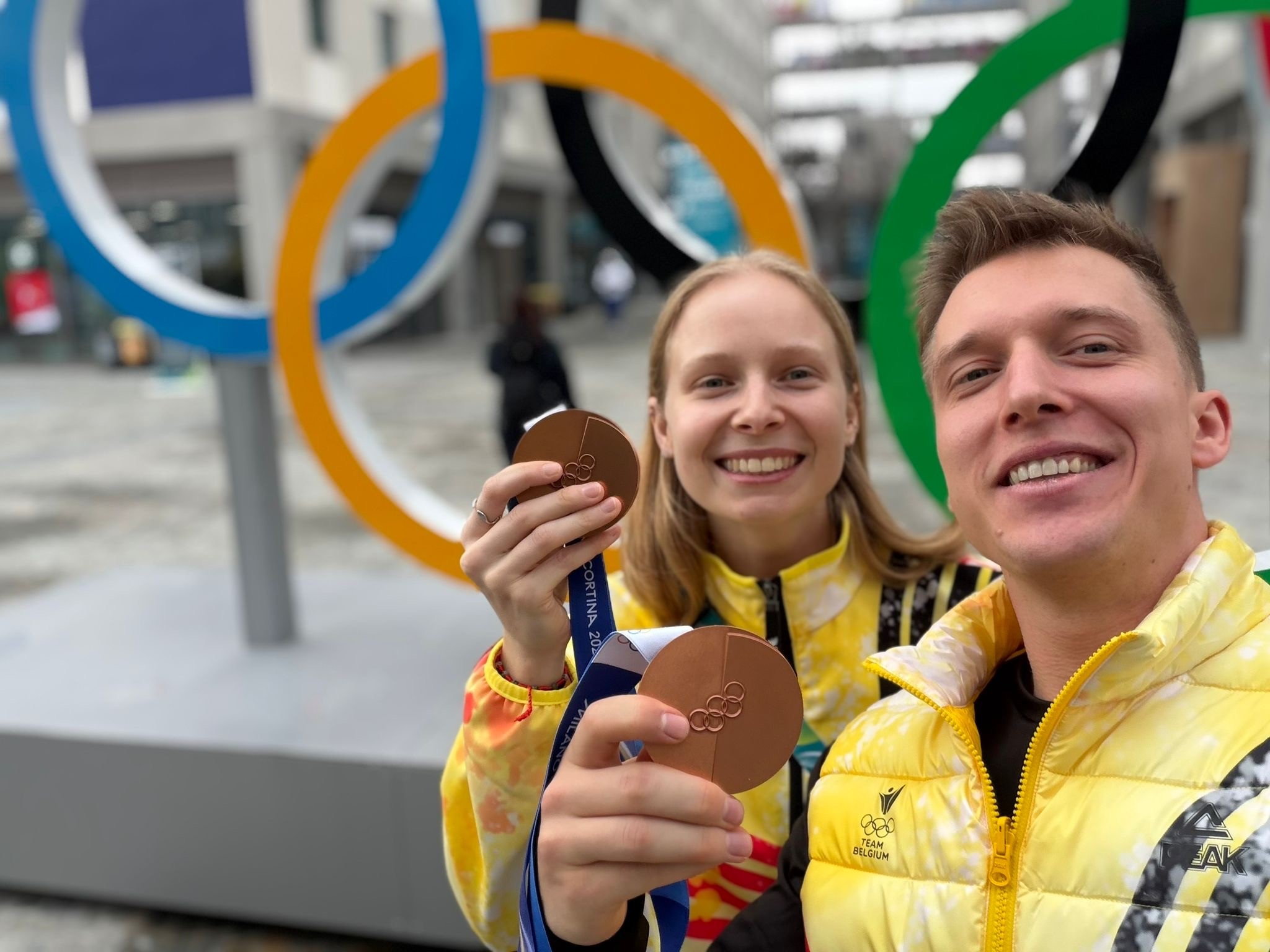
In Milan, the short-track mixed relay delivered a dramatic evening. Exchanges happened at full speed, positions changed every lap, and one mistake would have ended the race. Italy held firm and crossed the line first with Chiara Betti, Pietro Sighel and Luca Spechenhauser among the gold medallists. On 10 February, Belgium celebrated a historic milestone at the Milano Cortina 2026 Winter Olympic Games as the country secured its first medal of the competition. In the short-track mixed relay, the Belgian quartet captured bronze, with 1SD Tineke Den Dulk and 1SD Ward Pétré representing the Topsport Défense programme. The result carries particular significance, marking not only Belgium’s first medal of these Games but also the very first Olympic medal ever achieved by Topsport Défense. Their performance stands as a landmark achievement and a proud moment for both the Belgian delegation and the military sports community.
Across two days and four disciplines, the pattern remained the same: control under pressure. Whether on skis, skates or sled, military athletes relied on composure and collective discipline to secure medals. The performances did not come from spectacular gambles but from execution, the ability to repeat precise actions when it mattered most.
As Milano Cortina 2026 moves forward, these results confirm the growing influence of athletes in uniform across the Olympic programme. More events remain, and judging by the form shown on 10 and 11 February, the medal story involving military competitors is far from finished.
(Source: CISM Media & Communication Department - Pictures: Pictures: Ministero Della Difesa - Equipe de France Olympique et Paralympique - Topsport Belgian Defence)