Military athletes drive European medal success at Milano-Cortina 2026, with Italy, France, Switzerland and Germany confirming the strength of national military sport systems
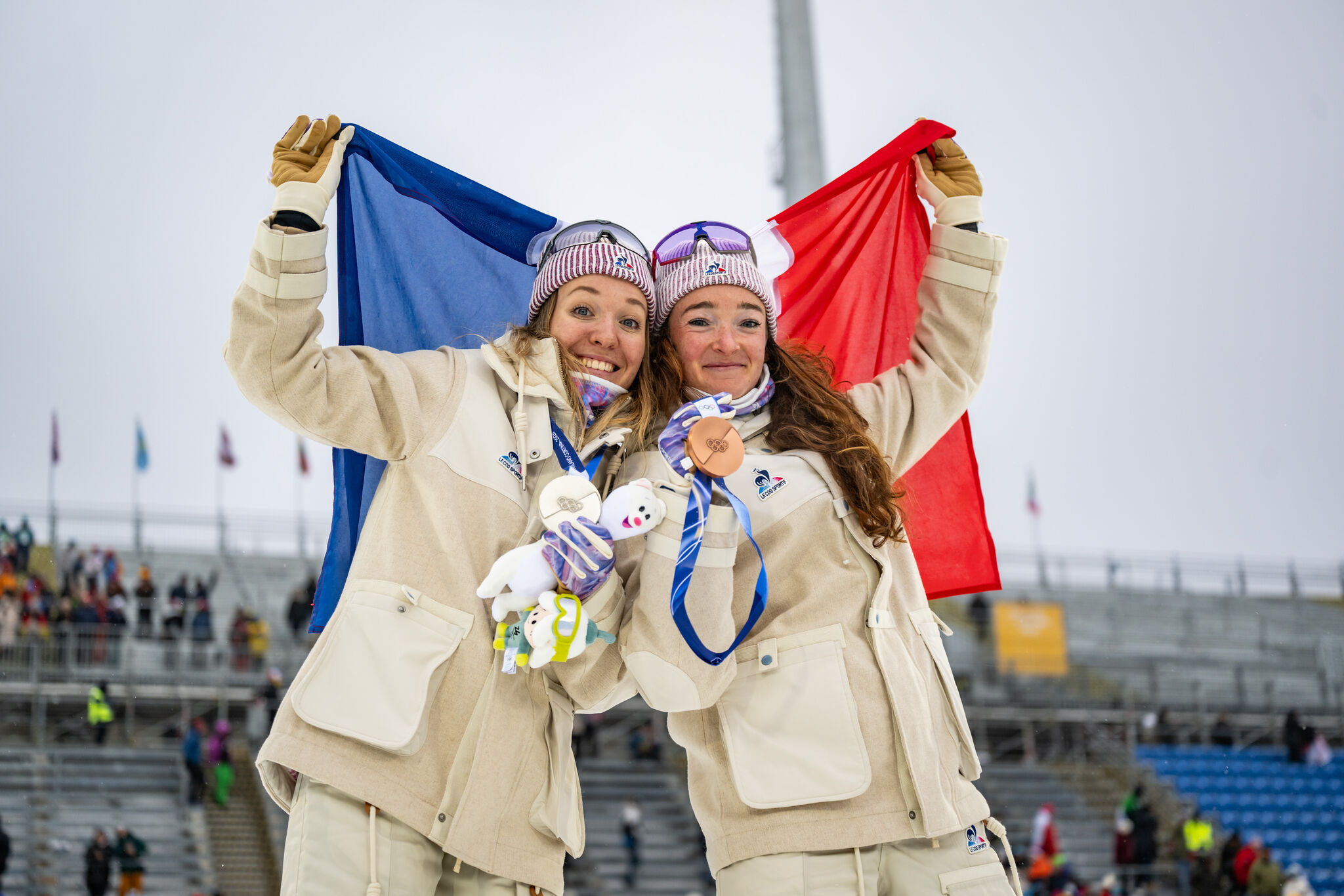 (Lou Jeanmonnot - Credit: Agence ZOOM)
MILAN-CORTINA (ITA) – The Milano-Cortina 2026 Games offered another powerful illustration of the strategic importance of military sport in elite international competition. Across several leading European delegations, athletes linked to the armed forces played a decisive role in medal-winning performances, once again showing how military support structures can help create the conditions for sustained excellence at the highest level.
Among the most striking examples were Italy, France, Switzerland and Germany, whose military athletes delivered major contributions in both individual and team events, reinforcing a broader trend already visible in many Olympic and world-class competitions.
For Italy, the role of military athletes was especially significant. Italian Armed Forces athletes won 27 of the 30 medals secured by the Italian delegation, an exceptional proportion that highlights how central the military sport framework is to Italian high-performance sport. The military contribution included 10 gold medals, 5 silver medals and 12 bronze medals. Beyond the medal totals themselves, the breadth of that contribution is equally revealing, with 14 military athletes medalled in gold-winning events, 9 in silver-winning events and 17 in bronze-winning events, including team and relay disciplines. These figures reflect not only podium success, but also the depth of military representation across the Italian delegation’s strongest performances.
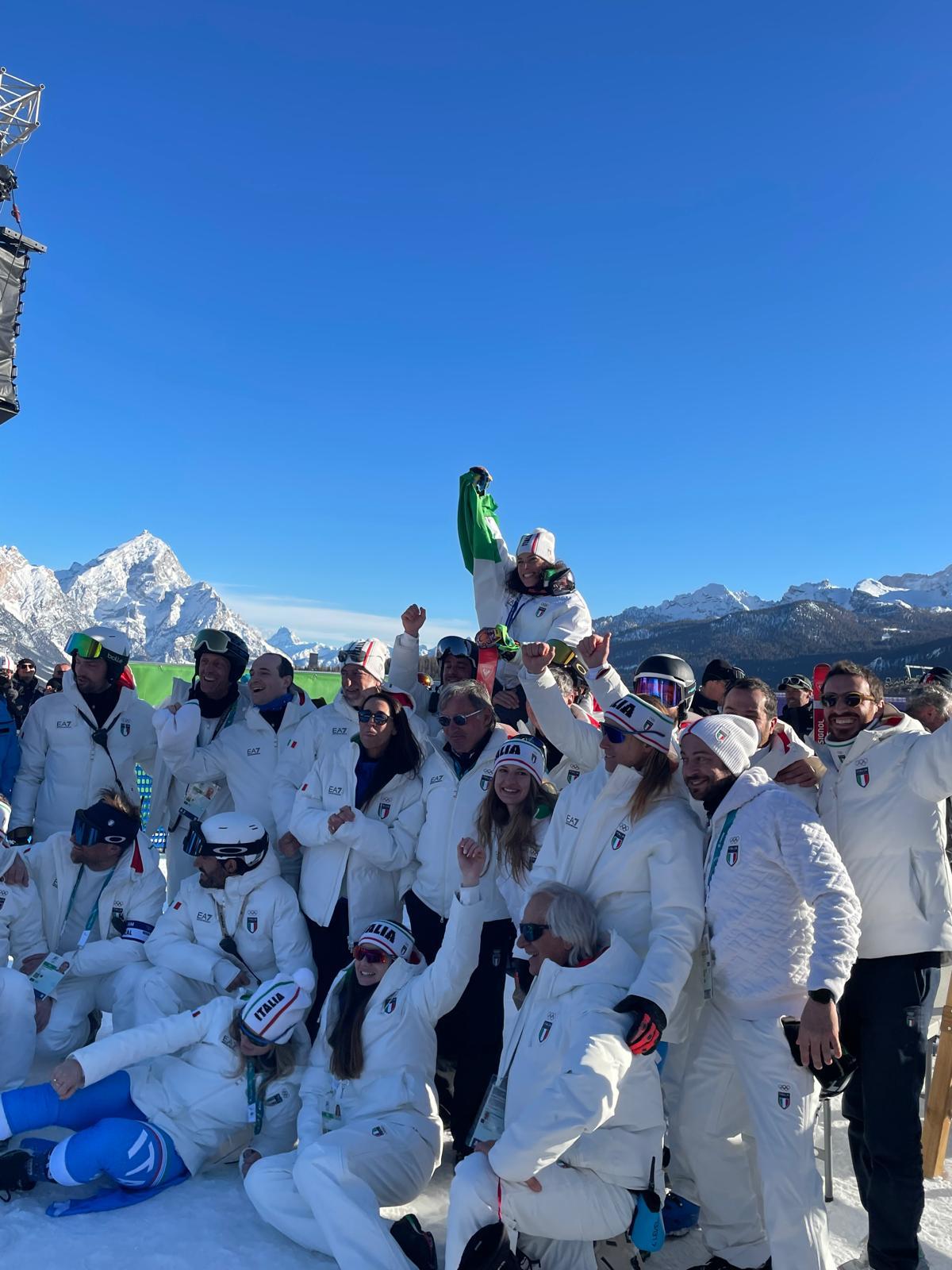
This result is closely linked to Italy’s long-established model in which elite athletes train and compete within military sports groups and armed forces structures. The Italian system provides a stable environment that combines high-level sporting preparation with institutional support, allowing athletes to benefit from continuity in training, access to facilities, coaching expertise, medical and performance services, and a structured pathway that supports long-term development. At Milano-Cortina 2026, that model translated directly into results and made a decisive contribution to the host nation’s competitiveness and visibility on the world stage.
France also demonstrated the effectiveness of its defence sport framework, with military athletes contributing a substantial share of the country’s medal success. French military athletes delivered 15 medals in total, composed of 5 gold, 6 silver and 4 bronze. In athlete terms, this corresponds to 9 military athletes medalled in gold-winning events, 6 in silver-winning events and 4 in bronze-winning events. These figures once again confirm the strong impact of the French military sport ecosystem in top-level international competition.
The French model is built around a structured institutional approach, notably through the Centre national des sports de la Défense (CNSD) and the Armée de Champions / Bataillon de Joinville framework, which help elite athletes combine top-level sporting preparation with military affiliation. This system supports training continuity, competition planning and long-term progression in a performance-oriented environment, while also promoting values deeply connected to military sport, including discipline, commitment, cohesion and service. At Milano-Cortina 2026, the contribution of French military athletes once again showed how this framework remains highly effective in modern elite sport.
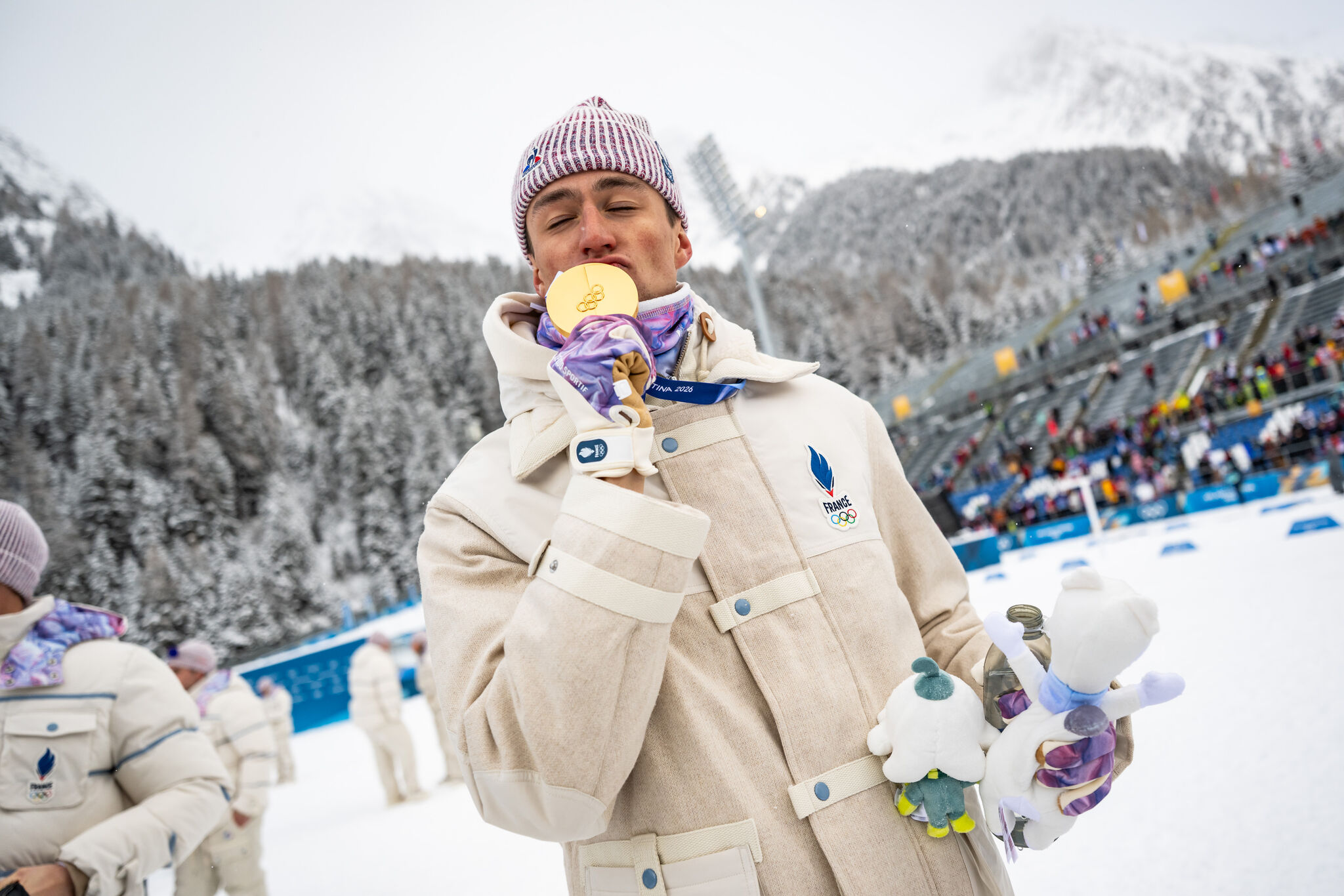 (Eric Perrot - Credit: @Agence ZOOM)
Beyond Italy and France, Switzerland and Germany further confirmed that military sport structures remain a major driver of performance in European winter sports. Swiss military athletes contributed 14 medals in total, with 5 gold, 7 silver and 8 bronze. The corresponding military athlete medallist count stood at 5 in gold-winning events, 11 in silver-winning events and 14 in bronze-winning events. Germany’s military athletes delivered 17 medals overall, composed of 5 gold, 8 silver and 4 bronze, while the corresponding military athlete medallist count reached 8 in gold-winning events, 9 in silver-winning events and 5 in bronze-winning events. Together, these figures highlight the sustained importance of military-affiliated athletes in countries where winter sports demand long-term investment, structured preparation and high-performance support.
Taken together, the performances of Italy, France, Switzerland and Germany point to a clear conclusion: military sport remains a powerful platform for elite achievement. While each country applies its own national model, the common strengths are evident in the quality of institutional backing, the continuity of preparation, the access to expert supervision and the culture of resilience and teamwork that military environments help foster. These elements are particularly valuable in Olympic-level competition, where consistency and long-term athlete development often make the difference between participation and podium success.
Milano-Cortina 2026 therefore did more than showcase medal performances. It also reaffirmed the continued relevance of military sport systems in supporting national excellence and helping athletes reach the highest level of international achievement.
(Source: CISM Media & Communication Department - Credit Pictures: Agence ZOOM)